H is for Herbs
Your medicine kit in your pantry and growing in your side walk.
H is for Herbs.
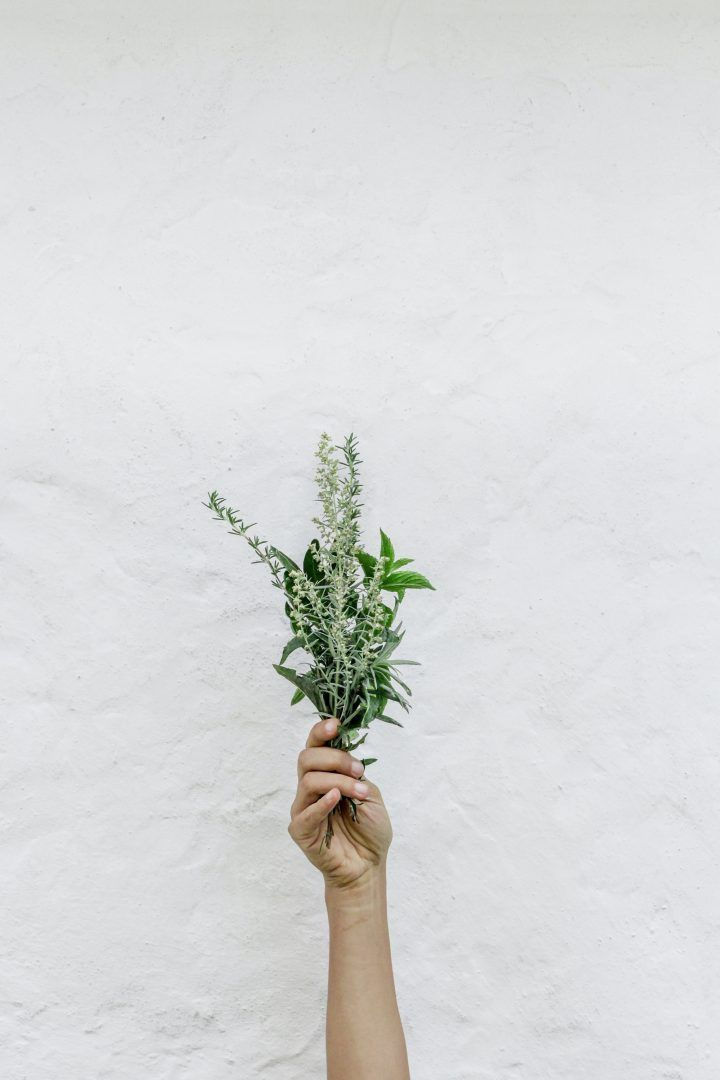
Not the supplements. Not the tinctures. Not the capsules. The ones growing freely in median strips, in pots and big bunches at the grocers and dried in little jars in your pantry.
Every traditional medicine system on the planet built its foundations on culinary plants. Modern science is now validating what these traditions practised for centuries, and the research is supporting ingredients most of us already own. Here is what is actually in your herb rack.
Parsley Parsley is rich in vitamin K, vitamin C and folate, and contains two notable bioactive compounds worth knowing. Apigenin, a flavonoid with studied anti-inflammatory and antioxidant properties, and myricetin, which has been researched for its role in blood sugar regulation, cardiovascular protection and its potential anticancer properties. Parsley has also been researched for its role in supporting kidney function and reducing water retention. Use it in quantities that actually make a difference, not a single sprig, but a handful stirred through grains, salads or finished dishes.
Basil Fresh basil contains eugenol, the same active compound found in cloves, which has been studied for its anti-inflammatory effects and its ability to inhibit the same enzyme pathway targeted by anti-inflammatory medications. It is also rich in antioxidants and has been researched for its antimicrobial properties. The fact that it tastes extraordinary is almost beside the point.
Mint One of the most evidence-backed herbs for digestive health. The menthol in mint relaxes the smooth muscle of the gastrointestinal tract, reducing spasm, bloating and discomfort. Studies have shown it to be particularly effective for irritable bowel symptoms. As a tea it is gentle and supportive, added fresh to salads or drinks it is both functional and genuinely delicious. It also has meaningful antimicrobial properties and has been studied for its effects on alertness and cognitive performance.
Rosemary One of the most potent antioxidant herbs in the kitchen. Rosemary contains rosmarinic acid and carnosic acid, two compounds with significant anti-inflammatory properties and a growing body of research around cognitive function and memory. Studies have explored even the aroma of rosemary as a potential aid for concentration and alertness. It is also one of the most effective natural preservatives known, which is why traditional cultures added it to food long before the science caught up.
Thyme Rich in thymol, an active compound with powerful antimicrobial and antifungal properties that has been studied extensively in research settings. Thyme has a long history of use for respiratory health and has been shown in clinical studies to be effective in treating acute bronchitis, comparable in some trials to pharmaceutical interventions. In the kitchen it is a hard herb that holds up to slow cooking, which makes it one of the most practical ways to get medicinal herbs into everyday meals.
Oregano The most antimicrobial herb on this list. Oregano contains carvacrol and thymol, compounds that have been shown in research to inhibit the growth of a wide range of bacteria and fungi. Dried oregano used generously in cooking is not the same potency as therapeutic oregano oil, but the research suggests it is far from negligible. It is also rich in antioxidants, with studies showing dried oregano to have one of the highest antioxidant capacities of any culinary herb measured.
Sage A hard herb with a particularly compelling research profile for hormonal health. Sage has been studied for its role in reducing hot flushes and night sweats in perimenopausal women, with clinical trials showing meaningful symptom reduction. It also contains compounds that inhibit the breakdown of acetylcholine in the brain, the same mechanism targeted by certain Alzheimer’s medications, and has been researched for its effects on memory and cognitive function. Add it to brown butter, to roasted pumpkin, to pasta. It rewards the attention.
The herb rack is not decoration. It is the most accessible, most affordable, most ancient form of food as medicine available to you. Grow what you can, use what you have, and use more often than you do now.
*The information shared on this page is for educational purposes only and is not intended as medical advice. Please consult your healthcare practitioner before making changes to your diet, lifestyle or supplement routine.
Are you looking for a naturopath?
If you haven’t heard, the waitlist to see me in private practice is now open.
If you can help me out, I’m here for it. Here’s some hot tips on how to:
Like this post or write a comment. The algorithm is listening.
Spread the word: share this with friends, family, or drop it in your WhatsApp groups and socials.
Come find me: at @thestaplestore and @catie_gett : like, comment, and hit that new square reshare button, Instagram loves it.
Say my name: if you’re ever in a room where someone’s looking for a speaker, an author, or a collaborator, hook me up. If you have media contacts I am all ears too! catie@staplestore.com.au
Buy a book or become a paid subscriber or even find me wholesale accounts for my new cookbook. It all means the world.
Every share matters. Every subscription helps. Every book sale gets me closer to the big ol’dreams. I’m here getting my ducks in a row, just like Nana Gett told me to and believing that the plan is unfolding just like she planned. If you need me, just reach out, I got you bebe.