
L is for Light
Let the light in
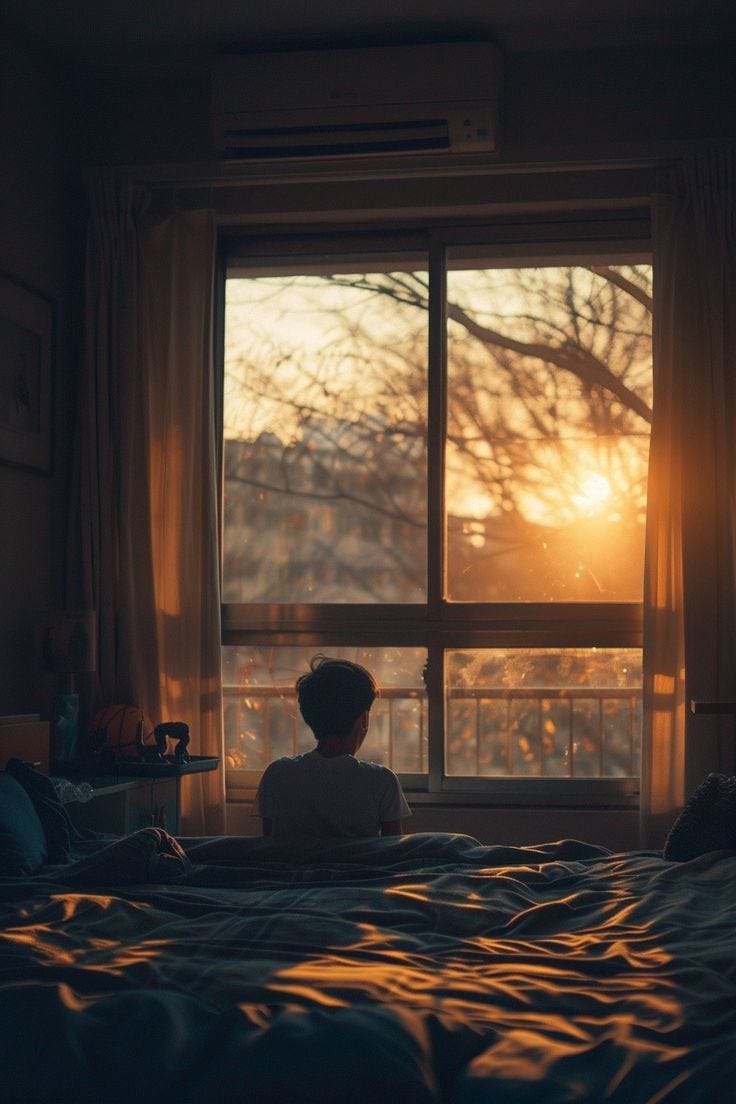
Light is one of the most important ways your body receives information from the environment. It is how your body knows whether it is day or night, Summer or Winter. Light is the primary stimulus that tells your body when to be awake and alert, and when to rest and repair. This is governed by a system called circadian rhythms. The science of circadian rhythms and health is a fascinating one, and you may have heard this term come up frequently in the longevity and biohacking space, and for good reason.
Light tells your body to activate.
When light enters your eyes, it is detected by specialised photoreceptors in the retina, especially the blue light abundant in natural morning sunlight. These cells send signals to the master clock of your circadian system, which then triggers a cascade of hormonal and neurological responses throughout the body. Cortisol rises, core body temperature increases, norepinephrine and dopamine activity ramps up, and your metabolism shifts into an active state. Morning light exposure is considered one of the most powerful anchors for your entire circadian rhythm. It essentially timestamps your internal clock, telling every cell in your body what time of day it is.
*My spicy brain I write writes these for the dopamine hits I get from external validation. Please hit like x Catie
Dark tells your body to restore.
As light fades, your body begins releasing melatonin. Melatonin does not so much force you to sleep as it signals a shift in biological state, lowering core body temperature, reducing alertness, and preparing the body for its nightly repair cycle. During deep sleep, the glymphatic system: a waste-clearance network in the brain becomes dramatically more active, flushing out metabolic byproducts including amyloid-beta, a protein associated with Alzheimer’s disease. Human growth hormone is released in pulses during slow-wave sleep, driving cellular repair and muscle recovery. Cortisol reaches its lowest point in the early hours of the night before beginning to rise again toward morning. Darkness, therefore, is not passive it is the biological trigger for some of the most critical maintenance processes your body performs.
How to tell your body it is daytime:
Get outside within 30–60 minutes of waking and expose your eyes to natural light even on an overcast day, outdoor light is significantly brighter than indoor lighting.
Keep your environment well lit throughout the day, stay active, eat during daylight hours, and avoid regular long naps late in the afternoon, all of which help reinforce a strong daytime signal to your circadian system.
How to tell your body it is nighttime:
Dim the lights in your home 1–2 hours before bed, as even moderate artificial light in the evening can suppress melatonin production and delay the onset of your biological night.
Avoid screens where possible, or use nigh-time mode on your devices or even blue light blocking glasses if device use is unavoidable. Keep your bedroom cool and as dark as possible.
Eating your last meal earlier in the evening is also a great change to make, as food intake sends a powerful metabolic signal that reinforces daytime signals.
One of the most effective measures is consistent bedtimes. Going to bed and waking at the same time each day is one of the most effective ways to keep your circadian clock well calibrated, and the downstream effects on energy, mood, metabolism and long-term health are actually profound and also free.
If you are in a position to support this information being free for anyone that comes here please consider buying one of my books or becoming a paid subscriber.
